
Shoulders Wide Enough to See From
My father lifted me onto his shoulders the first time at Rodney Parade, Newport, on a frost-bitten January afternoon in 1993. I was five. I could not have told you the score. What I remember is the breath rising off the crowd like a single animal, the thud that moved through my chest before I understood it was a tackle, and the way strangers turned to strangers and said things that mattered.
That is where this blog starts. Not in a press box. Not in a media briefing. On a man's shoulders in the cold, watching something that was clearly about more than a ball.
“The thud moved through my chest before I understood it was a tackle.”

Rodney Parade, January 1993 — the programme cost 40p.
* check Newport fixture list
— original match notes
Flanker. Never Quite Good Enough. Always There.
I played flanker for fifteen years at club level — Pontyclun RFC, then a brief and undistinguished stint at Loughborough. I was the kind of player who showed up every Tuesday, watched every tape, and finished every season with a clear picture of exactly how much better the players around me were.
What I learned in that time was not how to be excellent. It was how to read a game from the inside. How a lineout call changes the emotional weather of a match. Why a coach who trusts his eight forward to call audibles is making a statement about culture, not just tactics. The things that never make a highlights reel.
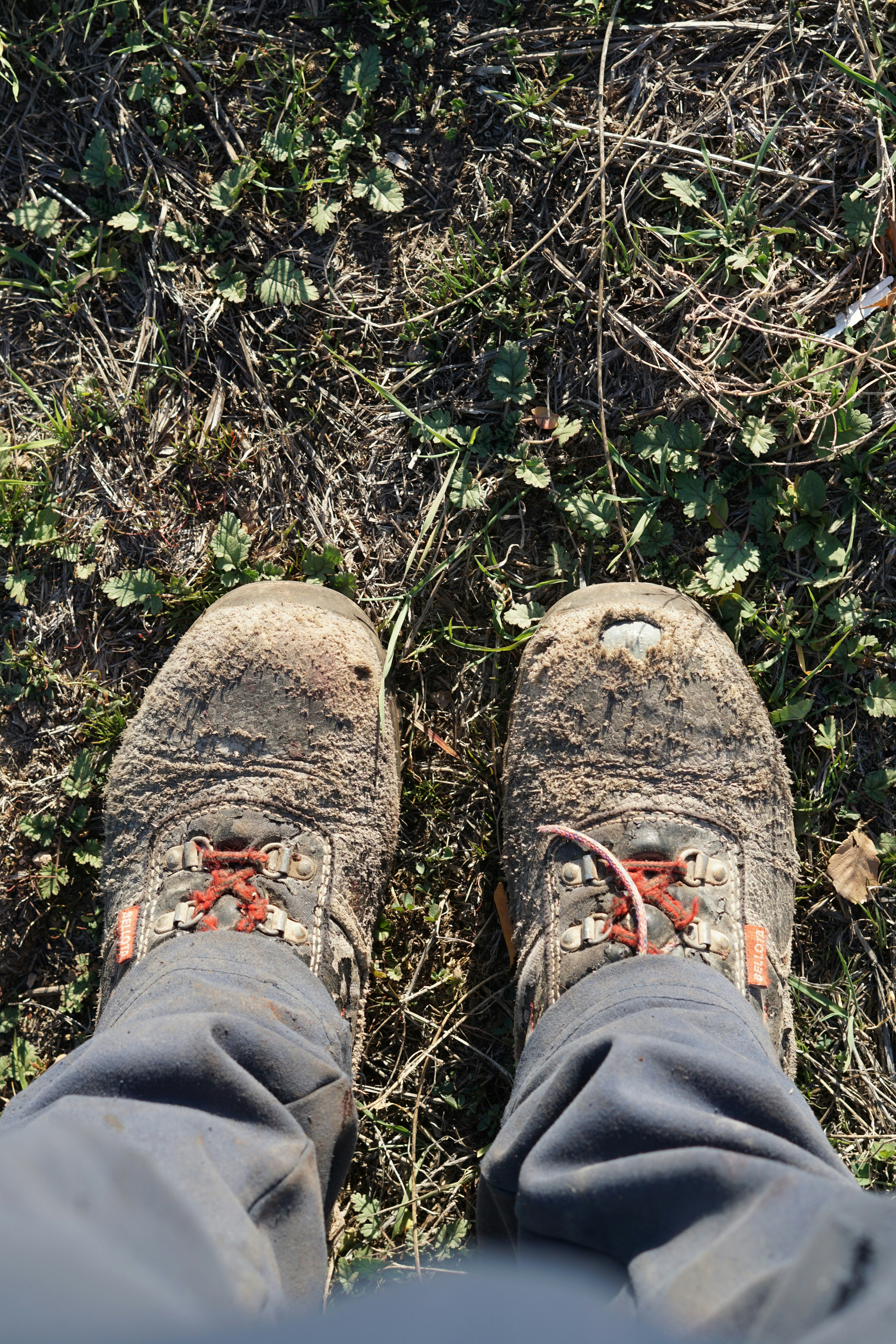
These boots did not retire gracefully.
A Napkin, a Pint, and a Stupid Idea That Wouldn't Leave
It was a Tuesday in November, post-training, the Wheatsheaf in Cardiff. Someone had written a lineout play on a beer mat — three options, arrows everywhere, a question mark where the hooker was supposed to jump. We spent forty minutes pulling it apart. Someone's girlfriend took a photo. Someone else said "this is what rugby writing should feel like."
I drove home and couldn't sleep. By morning I had three hundred words of something that felt honest. By the weekend I had a name. By the time you're reading this, I have a blog, a voice, and a very strong conviction that the game deserves writing that lives in the same muddy, warm, argumentative place the game itself does.
“This is what rugby writing should feel like.”
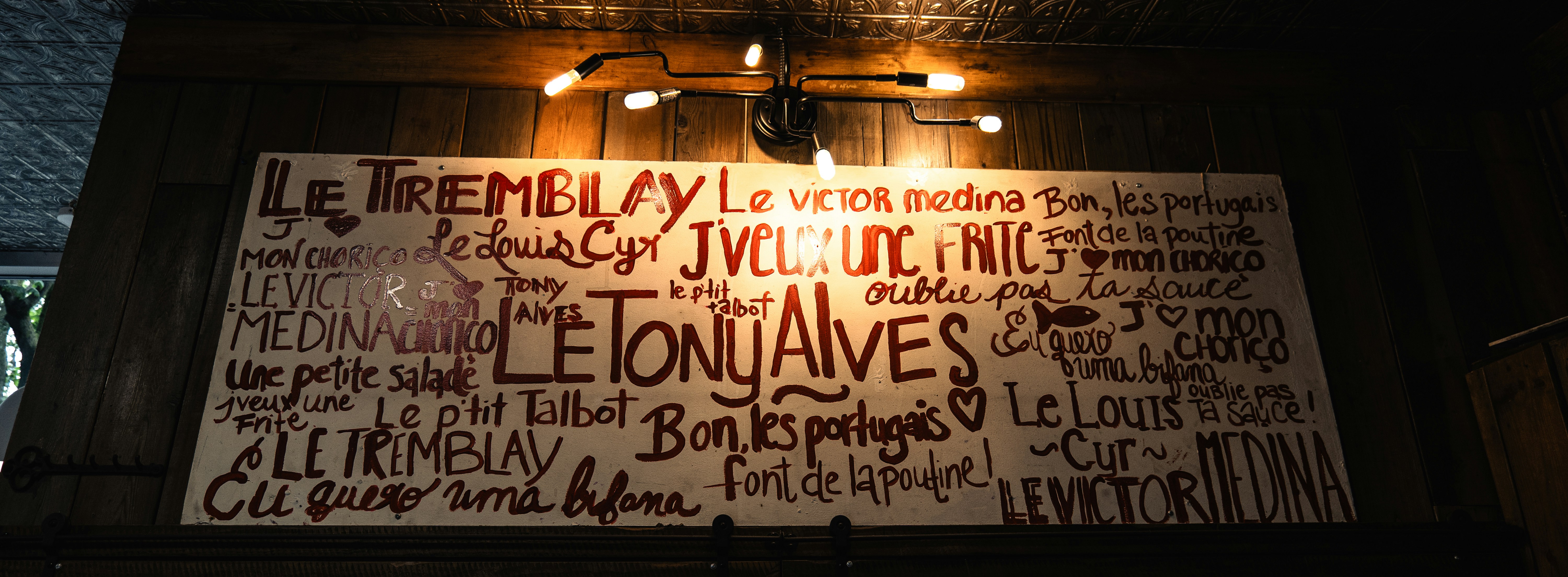
The original napkin. More or less.
* keep the napkin
— T.N., Nov 2024